


Kinage
Forward Deployed PM · AI Strategy
Forward-deployed production AI for regulated healthcare and fintech clients. Embedded with operators, shipping agentic workflows, and turning analyst overrides into production quality gates.
Kinage work →AI product leader · Wharton MBA
I take AI from pilot to daily use inside banks, hospitals, and lenders, where trust is the hard part.
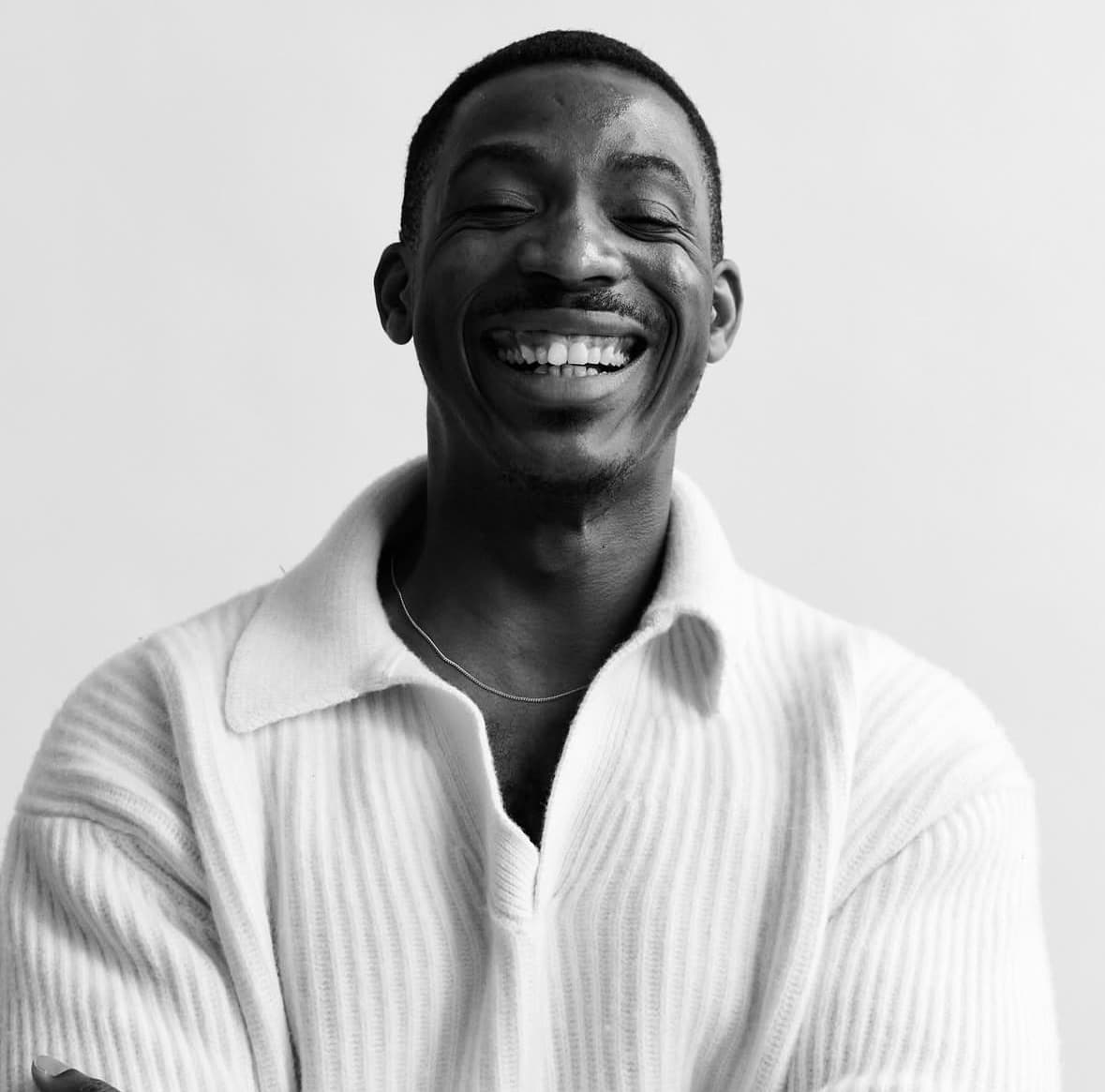
I lead AI product work at Kinage. At KOVA, I'm Head of Product & Technology, building financial infrastructure that connects collections, payments, savings, and access to credit across organisations and communities.
From Lagos to Bradford to New York. Still asking how things actually work.
Experience & education
Selected work
Right now
Kinage
Forward Deployed PM · AI Strategy
Forward-deployed production AI for regulated healthcare and fintech clients. Embedded with operators, shipping agentic workflows, and turning analyst overrides into production quality gates.
Kinage work →KOVA
Head of Product & Technology
Financial operations and credit infrastructure: collections, reconciliation, savings, and financing workflows connected across web, WhatsApp, and partner integrations.
Case study →Leadership
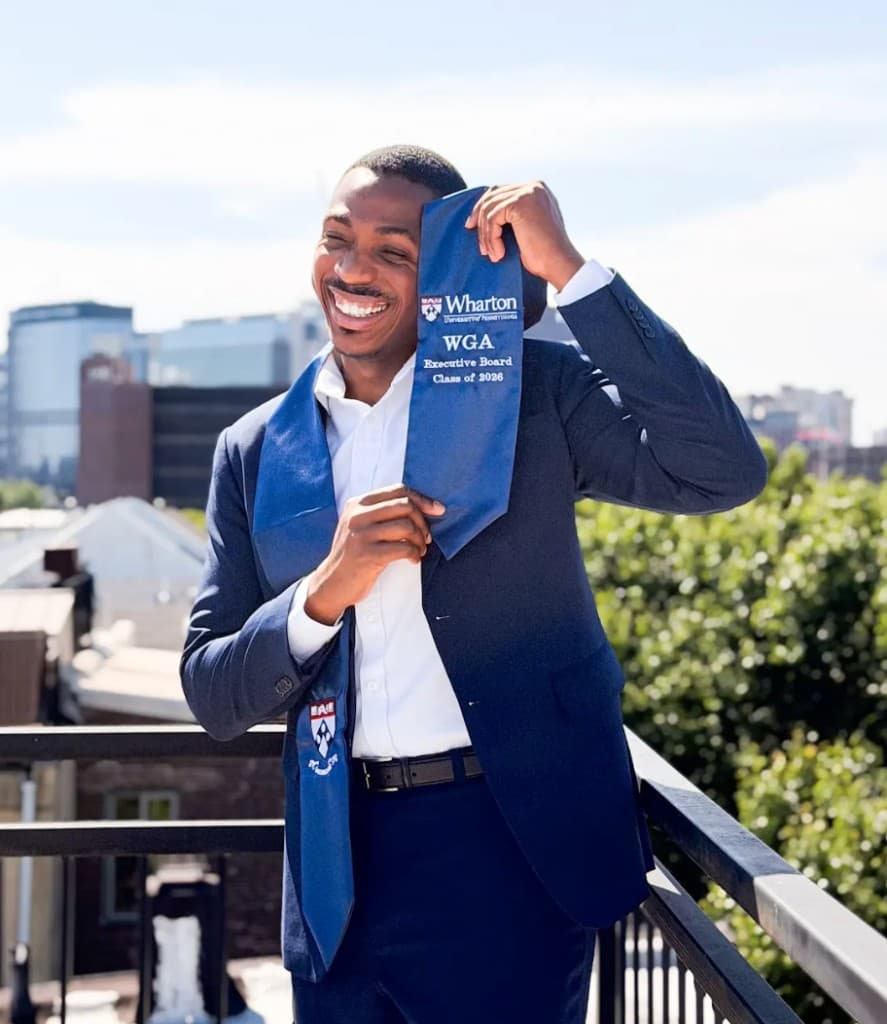
$6M annual budget · 1,700+ MBA students
Board governance framework for Philadelphia nonprofit College Together
Merit scholarship, The Wharton School
Programming for Wharton's largest student-run tech community
The person
Committed Man United fan in difficult times. Lagos to Bradford to New York, with a few cities in between. 36 countries, strong opinions about airport lounges, and still the guy who reads manga past bedtime.
A little more about me →Life lately
More on About →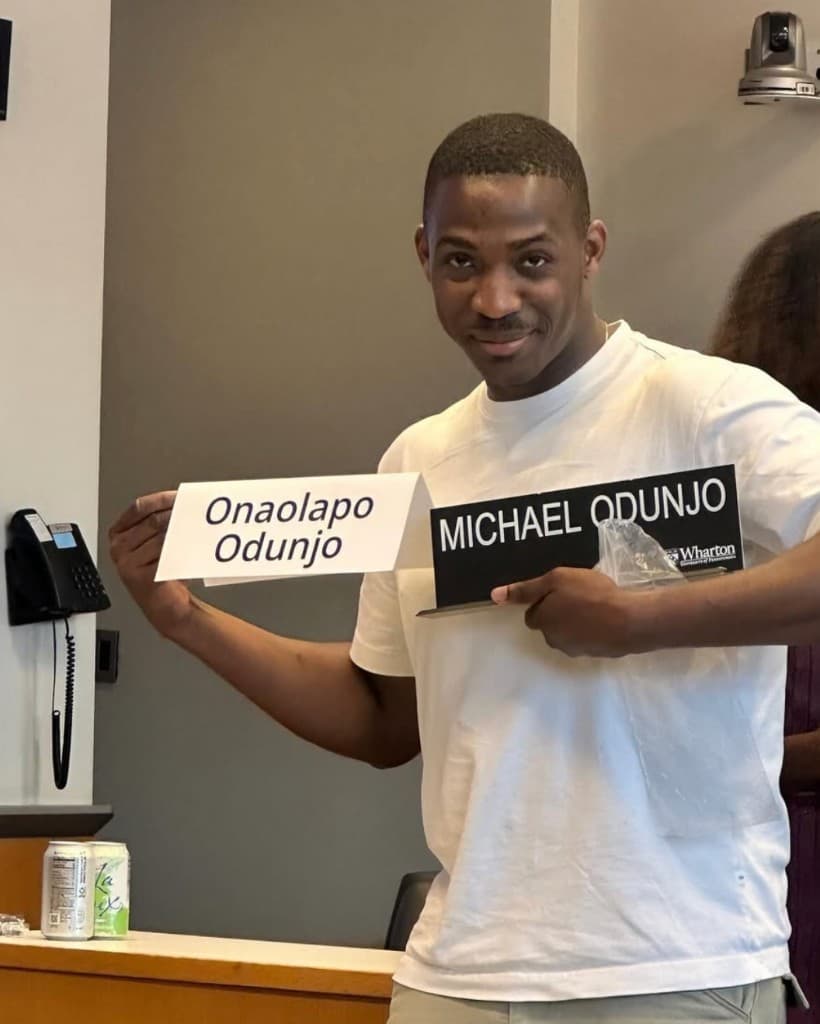
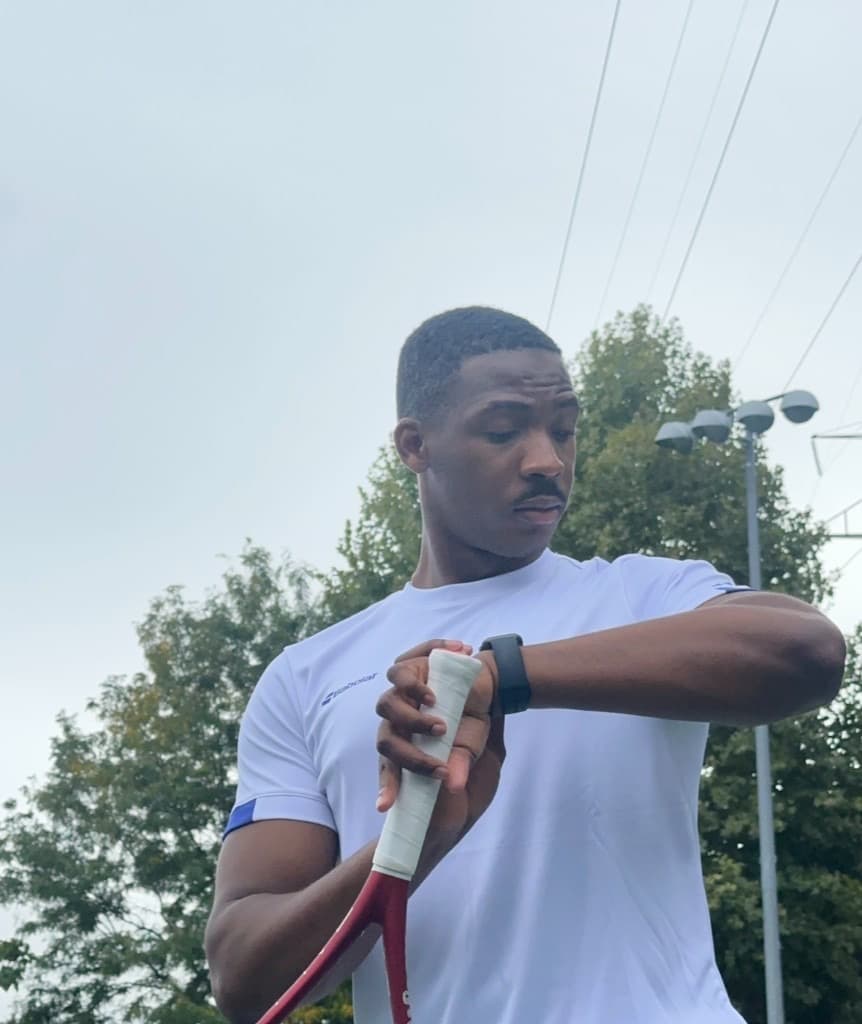
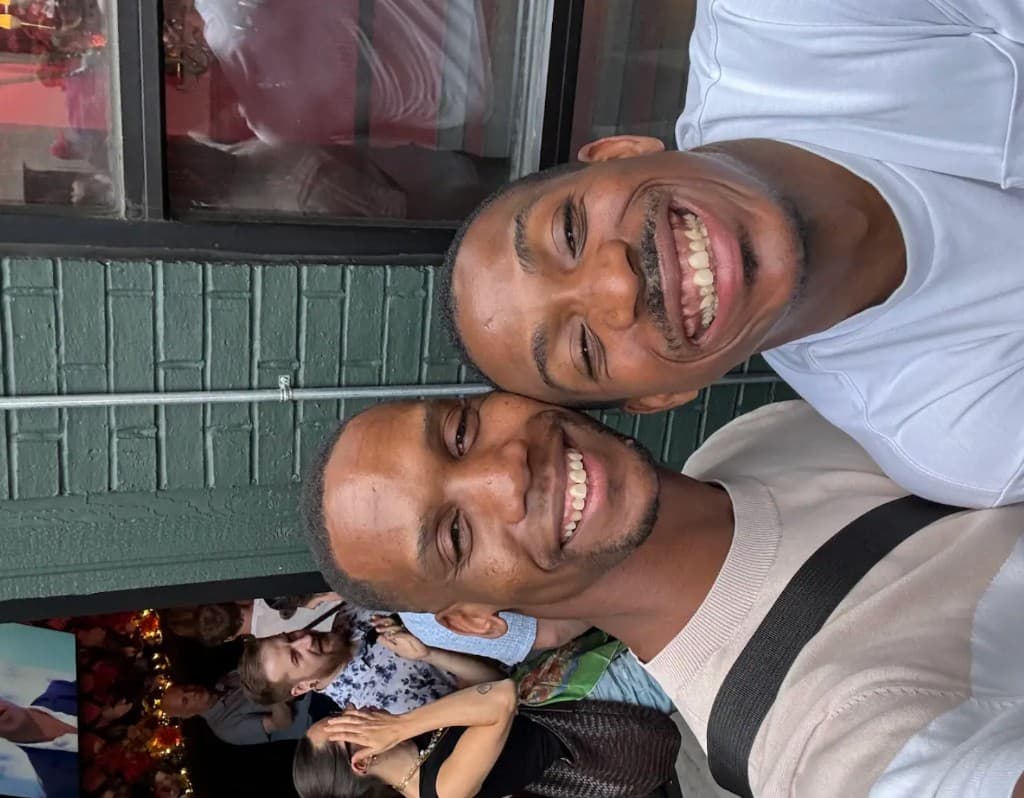
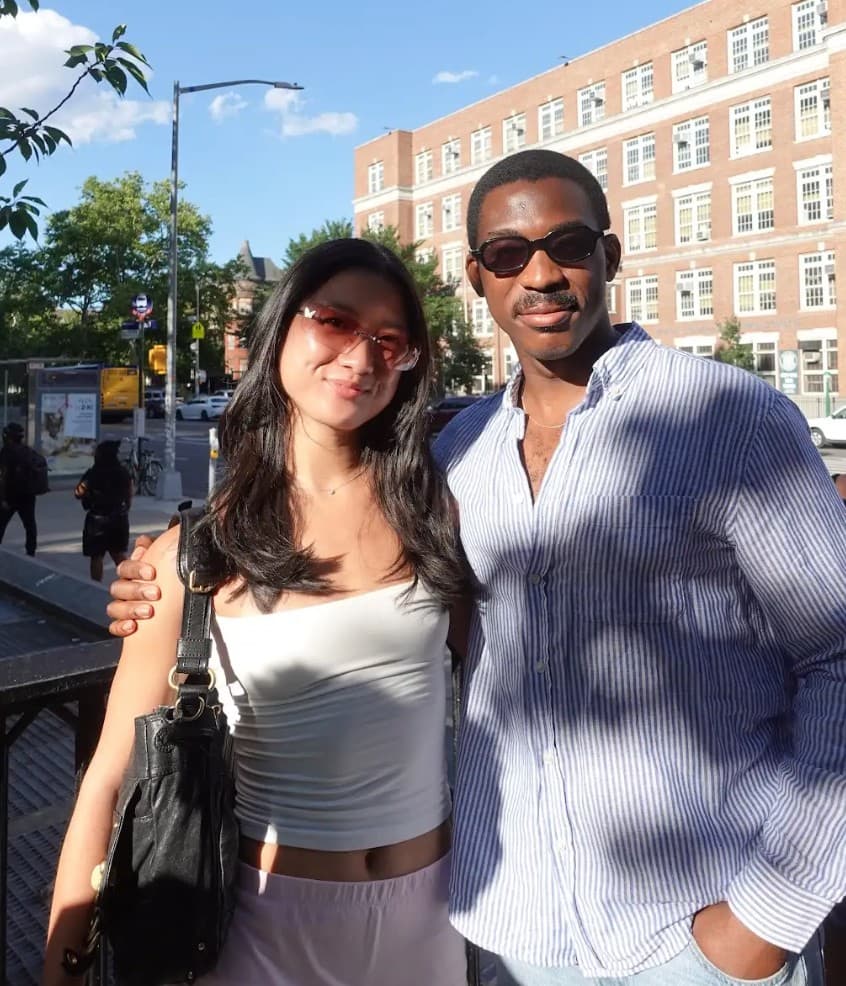
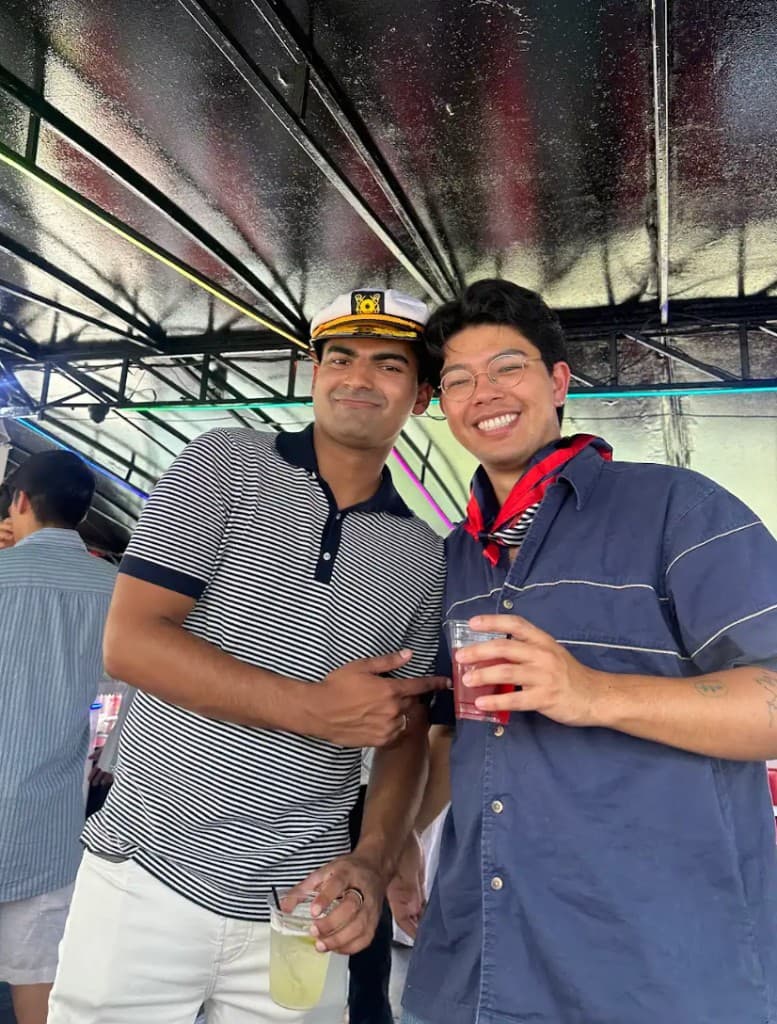
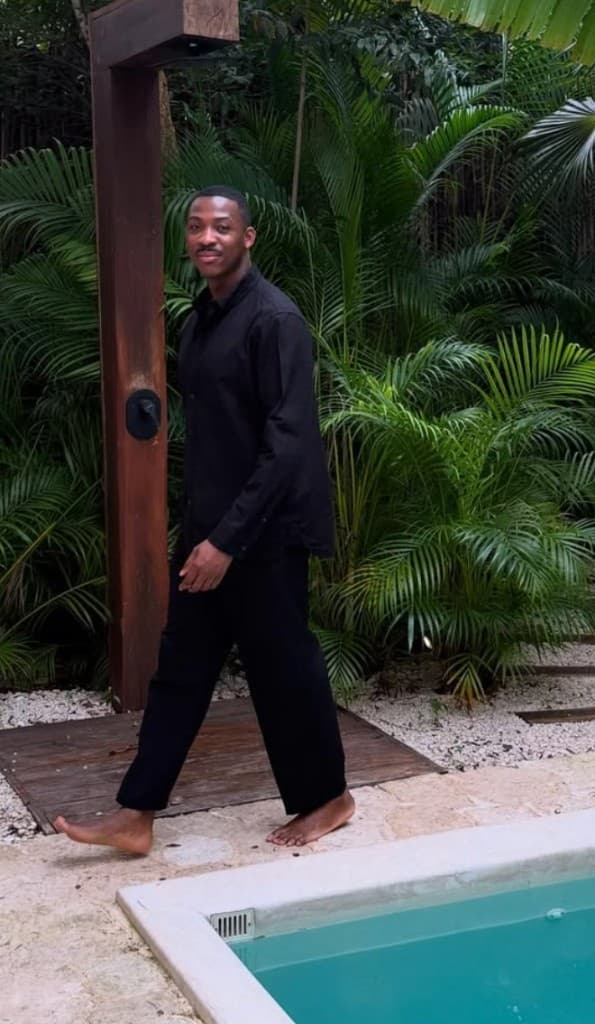
I'm a committed Man United fan in difficult times and a France supporter who thinks Mbappé, Dembélé, and Olise together is the most exciting forward line in football, with a soft spot for Cherki. I've lived in Lagos, Bradford, New York, Atlanta, and Philadelphia, and I'm still not sure which one actually counts as home. I've been to 36 countries and have strong, unsolicited opinions about airport lounges. I'm already planning a Brazil trip for Carnival 2027, which is either excellent foresight or a sign I have too many group chats, alongside a family trip to Mauritius that's somehow easier to plan than either.
More life lately
More on About →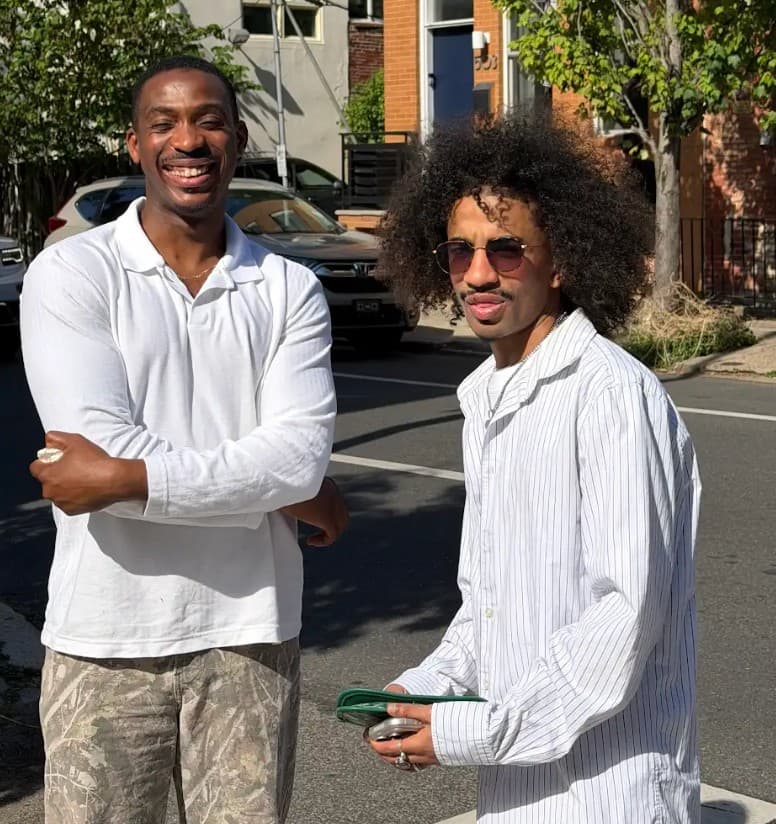

Reading lately
Berlin
A novel about arriving somewhere unfamiliar and figuring out who you are in rooms that don't quite fit yet. I keep returning to books about that feeling.
Team of Teams
The most useful management book I've read for thinking about AI systems that need human judgment in the loop.
On rotation
Man United matchdays
Committed fan in difficult times. Still watching every week.
Bleach · manga past bedtime
Still the guy who reads past lights-out, Ichigo shirt optional.
Where I've landed
Full journey →Reading systems before I had words for it.
First time being the only one in the room who looked like me.
Shipped Kinage in production while writing papers. Did not sleep enough.
Back. Building now.
“The bottleneck is trust, not accuracy. Designing for adoption under scrutiny is harder than improving benchmark numbers, and it is the one that actually matters.”
How I build
Writing
Connect
I'm always interested in the work, the people behind it, and the part that's proving harder than expected. Let's talk.